
If you’re researching tooth replacement options, you’ve probably already come across the phrase “gold standard” attached to dental implants. But what does that actually mean for your schedule, your budget, and your comfort level? This article gives you a straight look at the real advantages and real limitations of implants, so you can walk into a consultation feeling informed rather than overwhelmed.
What a Dental Implant Actually Is
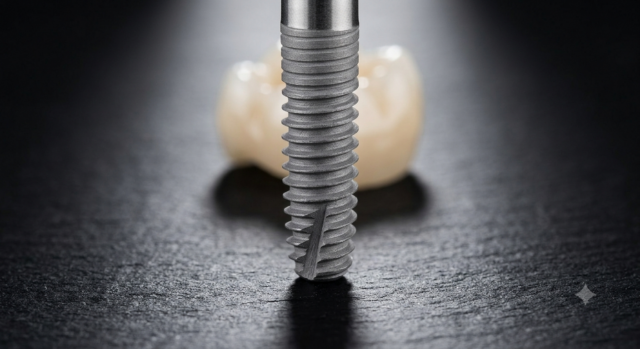
A dental implant is a small titanium post placed into your jawbone that acts as an artificial tooth root. Once it fuses with the bone, a crown, bridge, or full arch of teeth is attached on top. The result looks, feels, and functions like a natural tooth.
That’s the simple version. The fuller picture depends on which type of implant you’re considering, your bone health, and what you’re ultimately trying to achieve.
The Pros: Why So Many Patients Choose Implants
They Feel and Function Like Natural Teeth
This is the benefit patients mention most. Unlike dentures, implants don’t shift when you eat or speak. You can bite into an apple, laugh without worrying, and largely forget the replacement is even there. That quality-of-life difference is significant, especially for patients who’ve spent years managing loose or uncomfortable dentures.
They Protect Your Jawbone
When a tooth is lost, the jawbone beneath it gradually shrinks because it no longer receives stimulation from chewing. Implants are the only tooth replacement option that replicates root-level stimulation, which helps preserve bone volume and maintain your facial structure over time.
They’re Built to Last
With proper care, implants can last decades. The crown on top may eventually need replacing, but the post itself is designed for long-term use. For many patients, that durability makes the upfront investment easier to justify when weighed against the ongoing costs of repairing or relining dentures.
They Don’t Affect Neighboring Teeth
Traditional bridges require grinding down the healthy teeth on either side of the gap to anchor the restoration. Implants stand independently, so your surrounding teeth stay completely untouched.
More Patients Qualify Than You Might Expect
Not every implant requires major surgery or bone grafting. Mini dental implants, for example, are narrower and less invasive than standard implants and may work well for patients who don’t have enough bone density for conventional placement. At Arch Dental, the team also offers ultra-short implants and full-arch solutions – sometimes called All-on-X – giving patients a wider range of paths depending on their situation.
The Cons: What You Should Know Before Deciding
The Process Takes Time
Implants are not a same-day fix in most cases. The standard process involves placing the post, waiting several months for it to fuse with the bone, and then attaching the final crown. From start to finish, treatment can span several months to over a year depending on your bone health and the complexity of your case.
Some patients are candidates for faster timelines, but going in with realistic expectations matters.
Not Everyone Qualifies Right Away
Good bone density and healthy gums are typically required for standard implants. Patients with significant bone loss may need a graft before proceeding, which adds time and cost. Active gum disease also needs to be addressed first. That said, alternatives like mini implants or implant-supported overdentures may still be on the table even when standard placement isn’t immediately possible.
The Upfront Cost Is Higher Than Other Options
Implants cost more than dentures or bridges at the outset. No dental practice in the Madison Heights and Troy area – including Arch Dental – publishes exact pricing online, because treatment plans vary too much from patient to patient. What’s worth knowing is that financing options and phased treatment plans can make implants more accessible than the initial numbers suggest. A consultation is the best place to get a real figure for your specific situation.
Insurance Coverage Is Often Limited
Most dental insurance plans cover implants partially or not at all, classifying them as elective or cosmetic. Medical insurance occasionally contributes when tooth loss is tied to injury or a medical condition. This is a real limitation worth planning for, and it’s a good question to raise at your consultation.
Surgery Is Involved
Implant placement is a minor surgical procedure. For patients with dental anxiety, that word alone can be a barrier. The reality is that modern techniques and sedation options have made the experience far more manageable than most people expect. If anxiety is part of your hesitation, it’s worth asking about comfort options before you rule implants out entirely. Arch Dental’s focus on painless dentistry is specifically designed for patients in this situation.
Implant Types: A Quick Comparison
Different implant options suit different patients. Here’s a plain-language overview:
| Option | Best For | Key Consideration |
|---|---|---|
| Standard implants | Most patients with adequate bone | Longer timeline, most durable |
| Mini dental implants | Patients with lower bone density or smaller spaces | Less invasive, no bone graft required for qualifying patients |
| Ultra-short implants | Areas with limited vertical bone height | Specialized placement, fewer patients qualify |
| All-on-X (full arch) | Patients missing most or all teeth in one arch | Fixed, permanent feel; replaces an entire arch using implant-supported prosthetics |
| Implant-supported dentures/overdentures | Patients wanting more stability than traditional dentures | Removable but anchored by implants |
Questions Worth Asking at Your Consultation
Before committing to any implant treatment, these questions will help you get a clearer picture:
- Am I a candidate for standard implants, or would mini or ultra-short implants be a better fit?
- Do I need a bone graft, and if so, how does that affect the timeline?
- What does the full treatment timeline look like for my specific case?
- What financing or payment options are available?
- What does recovery look like, and how much time should I plan for?
A good consultation answers all of these before you make any decisions.
What This Means for Patients in Madison Heights and Troy
If you’re in Madison Heights, Troy, or the surrounding Oakland County area, you have local options for implant care that don’t require driving across the metro. Arch Dental serves patients across these communities and offers the full range of implant solutions under one roof – from mini implants to full-arch restorations.
If anxiety has kept you from exploring implants, that’s a conversation worth having before you decide the option isn’t for you. It comes up more often than you’d think, and it doesn’t have to be the reason you settle for less.
Schedule a consultation directly at archdental.net/book-an-appointment to get a personalized assessment of which implant path makes sense for your teeth, your bone health, and your goals.
Frequently Asked Questions
Are dental implants painful?
The placement procedure is done with local anesthesia, so most patients feel pressure rather than pain. Some soreness in the days after is normal and typically managed with over-the-counter pain relief. For patients with dental anxiety, Arch Dental offers comfort-focused options to make the experience easier from start to finish.
How long do dental implants last?
The implant post itself is designed to last many decades with proper care. The crown on top may need to be replaced after 10 to 20 years depending on wear. Regular brushing, flossing, and dental check-ups are the main factors in long-term success.
Can I get implants if I’ve had bone loss?
It depends on the degree of loss. Standard implants require sufficient bone density, but mini and ultra-short implants may be options for patients with reduced bone. A bone graft can also restore volume before standard placement. The right answer depends on your individual imaging and a clinical evaluation.
Do dental implants look natural?
Yes. The crown placed on top is custom-made to match the color, shape, and size of your surrounding teeth. Most people can’t tell the difference between an implant crown and a natural tooth.
How much do dental implants cost?
Cost varies significantly based on the type of implant, the number of teeth being replaced, whether any preparatory work like extractions or grafting is needed, and other factors. No practice in the Madison Heights and Troy market publishes exact pricing because every case is different. A consultation is the only way to get an accurate estimate for your situation.
What’s the difference between mini implants and standard implants?
Mini implants are narrower in diameter and require less bone volume, making them less invasive to place. They’re often used for patients who don’t qualify for standard implants due to bone density, or for stabilizing lower dentures. Standard implants are larger and typically used for single-tooth replacement or as anchors for full-arch restorations.
How do I know which implant option is right for me?
A dental consultation with imaging is the only reliable way to find out. Bone density, gum health, number of missing teeth, and overall health all factor into which option fits your situation. Starting with a consultation gives you real answers without any commitment.
The Bottom Line
Dental implants offer lasting benefits that other tooth replacement options genuinely can’t match. They also come with a longer timeline and higher upfront cost than alternatives. Neither of those facts should be glossed over.
What matters most is whether the benefits align with your priorities and whether your situation makes you a good candidate. The only way to know for certain is to talk with a dentist who can evaluate your specific case.
If you’re in the Madison Heights or Troy area and want an honest conversation about your options, the team at Arch Dental is ready to help. Schedule your consultation at archdental.net and get a clear picture of what’s possible for your smile.
