
Wife You’ve decided to replace a missing tooth with a dental implant. Now comes the part most people want to understand before they commit: what does recovery actually feel like, and how long does it take?
The honest answer is that implant recovery is gradual, predictable, and very manageable when you know what’s coming. This guide walks you through each phase so you can plan your schedule, stock your kitchen, and go into your procedure feeling prepared rather than anxious.
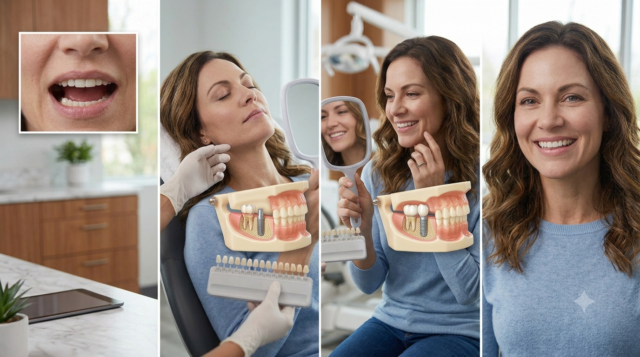
The First 24 Hours: Rest and Protect the Site
The day of your procedure sets the tone for everything that follows. Your body begins forming a blood clot at the implant site almost immediately, and protecting that clot is your main priority right now.
You’ll likely stay numb for several hours after leaving the office. Once that fades, some soreness and pressure around the site is completely normal. Over-the-counter pain relievers are usually enough to keep you comfortable, though your dentist may prescribe something stronger depending on your case.
What to do in the first 24 hours:
- Rest with your head slightly elevated, even while sleeping
- Apply an ice pack to your cheek in 20-minute intervals to manage swelling
- Stick to soft foods: yogurt, mashed potatoes, smoothies, lukewarm soup
- Avoid rinsing, spitting forcefully, or drinking through a straw
- Do not smoke or use tobacco
One thing worth knowing: swelling often peaks around day two or three, not right after the procedure. That’s completely normal and expected.
Days 2 Through 7: Managing Swelling and Getting Comfortable
Swelling typically reaches its highest point around the second or third day, then starts to ease. Some bruising on the cheek or jaw is possible and will fade on its own. A small amount of pinkish saliva or light bleeding early on is also expected.
Most patients notice a real drop in discomfort by day four or five. You can usually return to a desk job or light daily activities within a day or two. Strenuous exercise should wait until at least the end of the first week, since physical exertion can increase bleeding and slow the healing process.
Keep eating soft foods throughout the week. Warm salt water rinses, starting around 24 hours after surgery, help keep the area clean without disturbing healing tissue. Brush gently around the site rather than directly on it.
Reach out to your dentist if you notice:
- Swelling that gets significantly worse after day three instead of improving
- Fever above 101°F
- Pus or unusual discharge from the site
- Severe pain that isn’t responding to prescribed or recommended medication
Weeks 2 and 3: Soft Tissue Healing
By the start of week two, most visible swelling and bruising should be gone. The gum tissue around the implant is closing and healing, and you’ll likely feel close to normal in terms of daily comfort.
You can start reintroducing foods with a bit more texture, but stay away from anything hard, crunchy, or chewy near the implant site. Scrambled eggs, pasta, fish, and cooked vegetables are good choices. Raw carrots and crusty bread can wait.
This is also the phase where patients tend to feel so much better that they push too hard too soon. Stick to the soft food guidelines your dentist gave you. The implant post is still in the early stages of bonding with your jawbone — a process called osseointegration — and that process can’t be rushed.
Weeks 4 Through 12: Osseointegration in Progress
Osseointegration is the biological process where the titanium implant post fuses with the surrounding bone. It’s what makes dental implants so durable compared to other tooth replacement options, and it’s also what takes the most time.
During this phase, you’ll likely feel completely normal. Osseointegration itself doesn’t cause discomfort. Most patients are eating comfortably, back to their full routine, and not thinking about the implant at all.
Your dentist will schedule a follow-up to check on healing progress. Don’t skip it, even if you feel fine. X-rays at this stage confirm the bone is integrating properly before the next step begins.
Does the type of implant affect the timeline?
Yes, to some degree. Mini dental implants — a less invasive tooth replacement option that requires less bone volume than standard implants — often involve a shorter overall recovery because the procedure itself is less extensive. All-on-X full arch implants, which replace an entire arch of teeth using a fixed bridge supported by a small number of implants, involve a longer initial healing phase given the scope of the procedure. Your dentist will give you a specific timeline based on your anatomy and health history.
Months 3 Through 6: Final Restoration
Once osseointegration is confirmed — typically somewhere between three and six months depending on bone density and overall health — your dentist places the abutment (the connector piece) and then the final crown, bridge, or prosthetic tooth.
This appointment is usually straightforward. Some patients experience minor sensitivity around the gum line as the tissue adjusts to the final restoration, but it settles quickly.
After the crown is placed, your implant is functionally complete. You can eat normally, speak normally, and care for it just like a natural tooth: brush twice daily, floss, and keep up with regular cleanings.
What Affects How Fast You Heal?
Recovery timelines vary from person to person. A few factors that make a real difference:
- Bone density and volume. Patients with good bone density tend to heal faster and have more predictable osseointegration.
- Overall health. Conditions like uncontrolled diabetes can slow healing. Your dentist will review your health history before recommending implants.
- Smoking. Tobacco use is one of the most significant contributors to implant failure and delayed healing. Your dentist will discuss this with you directly.
- Oral hygiene. Keeping the area clean during recovery has a direct impact on how well the tissue heals.
- Following post-op instructions. Patients who stick to soft food guidelines and avoid strenuous activity in the first week consistently report easier recoveries.
Recovery After Mini Dental Implants vs. Standard Implants
If you’ve been told you may not have enough bone for a standard implant, mini dental implants are worth asking about. Because the procedure is less invasive, many patients find the initial recovery shorter and more comfortable. The osseointegration process still applies, but the first week tends to involve less swelling and discomfort overall.
At Arch Dental in Madison Heights, the team offers mini dental implants, standard implants, and All-on-X full arch implants — a fixed, permanent tooth replacement solution for patients missing most or all of their teeth. Having all three options available means your treatment plan is built around what actually fits your anatomy and goals, not whatever a single-option practice happens to offer.
FAQs
How long does dental implant recovery take in total?
The full process from implant placement to final crown typically takes three to six months. Most of that time is passive healing — you’re not in discomfort. The surgical recovery itself takes one to two weeks for most patients.
Is dental implant surgery painful?
The procedure is performed under local anesthesia, so you shouldn’t feel pain during placement. Soreness and pressure in the days afterward are normal and manageable with over-the-counter pain relievers in most cases. At Arch Dental, painless dentistry is the standard approach — not an afterthought.
When can I eat normally after a dental implant?
Soft foods are recommended for the first one to two weeks. You can gradually reintroduce regular foods after that, though you should avoid hard or crunchy items near the implant site until the final restoration is placed and your dentist clears you.
What is osseointegration and why does it matter?
Osseointegration is the process by which the titanium implant post fuses with your jawbone. It’s what makes implants stable and long-lasting, and it takes anywhere from two to six months depending on your bone health and the type of implant placed.
Can I go back to work the day after a dental implant procedure?
Many patients return to desk work within one to two days. If your job involves physical labor or strenuous activity, plan for at least five to seven days before returning to full activity. Your dentist will give you specific guidance based on your procedure.
What are the signs that something is wrong during recovery?
Contact your dentist if you experience worsening swelling after day three, fever, unusual discharge from the site, or pain that isn’t responding to medication. These complications aren’t common, but they’re worth addressing quickly.
Do mini dental implants have a faster recovery than standard implants?
Generally, yes. Because mini dental implants are a less invasive procedure, the initial healing phase tends to be shorter and involves less swelling. The osseointegration period still applies, but the first one to two weeks are often more comfortable for mini implant patients.
Recovery from a dental implant procedure is genuinely manageable when you go in prepared. The first week asks the most of you. After that, your body does the work while you get back to your routine.
If you’re considering dental implants in Madison Heights or Troy and want to understand which option fits your situation, the team at Arch Dental is ready to walk you through it. Schedule a consultation at archdental.net and get a clear picture of your path forward.
